The pharmaceutical manufacturing clusters in and around Ahmedabad operate under some of the most rigorous regulatory oversight in the industrial world. Whether conforming to USFDA, WHO, or European GMP standards, every piece of equipment that comes into contact with fluid must prioritize one critical metric above all else: uncompromising sterility.
Unlike standard chemical processing, where the goal is simply to move fluid safely, a pharmaceutical plant must ensure that its pumps introduce zero contaminants, prevent bacterial growth pockets, resist harsh sanitization cycles, and deliver precise fluid measurements.
To help utility and project engineers design an optimal system, let’s break down the three primary fluid transfer zones within a modern pharmaceutical plant and the specific pumping technologies required for each.
1. High-Purity Water Utilities: WFI and Purified Water Loops
Water is the most widely used raw material in pharmaceutical production. Whether used as a solvent in liquid injectables or for cleaning equipment, Water-for-Injection (WFI) and Purified Water (PW) loops must be kept under constant, turbulent flow to prevent the formation of biofilms (bacterial layers).
The Technology Requirement: Sanitary Centrifugal Pumps
μFor high-volume water distribution, specialized hygienic centrifugal pumps are deployed. However, these are vastly different from standard water pumps:
- Internal Surface Finish: Wetted components are machined from low-carbon Stainless Steel (SS-316L) and electropolished to a mirror finish (Ra < 0.4 to 0.5 μm). This ultra-smooth surface leaves no microscopic scratches where bacteria can attach and multiply.
- Drainability: The pump casings feature a distinctive “back pull-out” design with a self-draining orientation. When a production run ends, the pump must drain completely, leaving no stagnant puddles inside the housing.
- Seal Flushing: They utilize sanitary mechanical seals that are continuously flushed, preventing the accumulation of minerals or organic residues around the spinning shaft.
2. API Production: Corrosive and Volatile Chemical Transfer
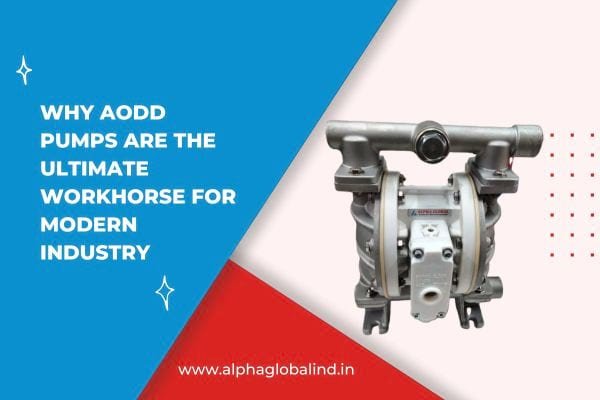
The Technology Requirement: Air-Operated Double Diaphragm (AODD) & PP Pumps
When fluids cross into aggressive chemical territory, stainless steel is no longer the default option:
- For Volatile/Flammable Solvents: Clean-finish AODD Pumps manufactured from aluminum or stainless steel are ideal. Because they are driven entirely by compressed air, they are inherently explosion-proof (ATEX compliant) and pose zero risk of electrical sparking in hazardous zones.
- For Aggressive Mineral Acids: Solid, injection-molded Polypropylene (PP) Centrifugal Pumps are deployed for ambient-temperature acid handling. PP is completely inert to hydrochloric and sulfuric acids, which would cause rapid pitting and structural failure in metal housings.
3. Formulation and Filling: Shear-Sensitive and Viscous Dosages
During the final formulation stages—where active ingredients are blended into liquid syrups, thick ointments, creams, or injectable suspensions—the fluid’s physical texture must be carefully protected.
The Technology Requirement: Hygienic Rotary Lobe & Peristaltic Pumps
High-velocity impellers exert extreme friction or “shear” on fluids, which can break down long-chain molecular polymers, cause emulsions to separate, or ruin the consistency of medicinal creams.
- For Viscous Syrups and Creams: Low-RPM Rotary Lobe Pumps gently scoop thick media through large internal chambers. Because the lobes never make metal-to-metal contact, they move viscous materials with minimal pulsation and zero structural damage to the product.
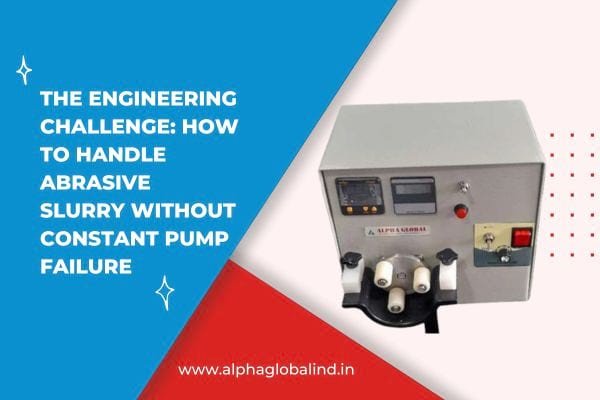
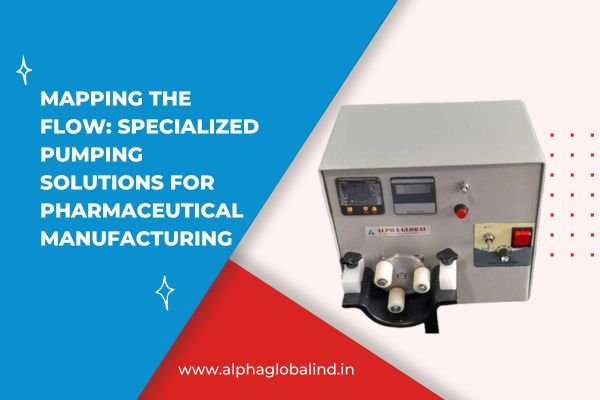
- For Micro-Dosing and Volumetric Filling: Peristaltic (Hose) Pumps are highly valued. The fluid is completely enclosed within a medical-grade silicone or thermoplastic tube. The pump’s rollers compress the tube to push the liquid forward, offering precise volumetric dosing while guaranteeing that the fluid never touches any moving mechanical parts.
4. Pharmaceutical Fluid Handling Architecture
| Processing Zone | Core Fluid Type | Key Operational Challenge | Primary Pump Technology |
| Water Utilities | WFI / Purified Water | Biofilm prevention, total sterility | Electropolished Centrifugal Pump |
| API Synthesis | Solvents, Solutes, Acids | Corrosion, explosion hazards | AODD or Polypropylene Pump |
| Bulk Formulation | Ointments, Cough Syrups | High viscosity, shear sensitivity | Hygienic Rotary Lobe Pump |
| Packaging / Filling | Liquid Vaccines, Dosages | Precise volumetric micro-dosing | Sanitary Peristaltic Pump |
Conclusion: Engineering for Compliance and Safety
In the pharmaceutical industry, choosing an incorrect pump material or design doesn’t just reduce efficiency—it threatens consumer safety and exposes a company to catastrophic regulatory audit failures. Separating your utility lines, chemical reactors, and sterile formulation rooms into distinct technological zones is the only way to safeguard your production environment.
As an established pharmaceutical pump manufacturer and exporter from Ahmedabad, Alpha Global custom-engineers high-purity fluid handling assets featuring full material traceability certifications (including FDA elastomeric validation) to meet international sanitary engineering standards.