Alpha Global

Why Hygienic SS Rotary Lobe Pumps are Essential for Food and Pharma Processing

Why Hygienic SS Rotary Lobe Pumps are Essential for Food and Pharma Processing

In sanitary manufacturing, a pump must do more than just move fluid—it must protect the product’s integrity and meet strict hygiene standards. Standard pumps can easily crush delicate food ingredients or break down pharmaceutical chains due to high friction. Learn why Stainless Steel Rotary Lobe pumps are the gold standard for high-viscosity, shear-sensitive processing.

Why Hygienic SS Rotary Lobe Pumps are Essential for Food and Pharma Processing Read More »

Polypropylene vs. Stainless Steel Pumps Choosing the Right Material for Acid Transfer

Polypropylene vs. Stainless Steel Pumps: Choosing the Right Material for Acid Transfer

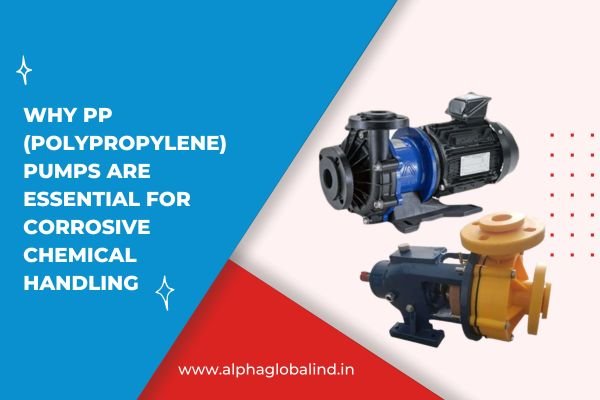
When pumping aggressive chemicals, selecting the wrong housing material doesn’t just shorten the pump’s lifespan—it poses a severe safety hazard. While Stainless Steel is often seen as the default ‘durable’ metal, certain acids will eat through it in days. Discover why engineered Polypropylene (PP) pumps are the ultimate cost-effective, corrosion-proof solution for chemical transfer.

Polypropylene vs. Stainless Steel Pumps: Choosing the Right Material for Acid Transfer Read More »

External vs. Internal Gear Pumps: Choosing the Right Design for Viscous Fluids

External vs. Internal Gear Pumps: Choosing the Right Design for Viscous Fluids

When it comes to transferring oils, lubricants, and high-viscosity fluids, rotary gear pumps are the industry standard. But choosing between an external and an internal gear configuration isn’t just a matter of preference—it dictates your system’s efficiency, fluid handling capability, and maintenance lifecycle. We break down the mechanical differences to help you select the right pump for your process line.

External vs. Internal Gear Pumps: Choosing the Right Design for Viscous Fluids Read More »

Mud Pump vs. Trash Pump: Specifying for Extreme Solids-Handling

Mud Pump vs. Trash Pump: Specifying for Extreme Solids-Handling

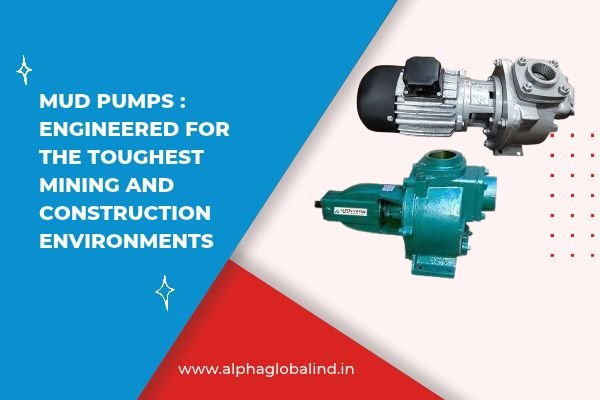
Pumping dirty water is simple, but pumping thick, abrasive mud, silt, and construction sludge will rapidly destroy a standard dewatering pump. How do you know when your fluid crosses the line from ‘dirty water’ to a heavy slurry that requires an industrial mud pump? In this guide, we break down the engineering classification of solids-handling pumps to save your project from unexpected failures.

Mud Pump vs. Trash Pump: Specifying for Extreme Solids-Handling Read More »

Oil-Sealed vs. Water Ring Vacuum Pumps: A Comprehensive Industrial Guide

Oil-Sealed vs. Water Ring Vacuum Pumps: A Comprehensive Industrial Guide

When configuring an industrial process, selecting the wrong vacuum technology can lead to astronomical operating costs or catastrophic system failures. Should you choose the high efficiency of an Oil-Sealed pump or the rugged durability of a Water Ring system? In this comprehensive comparison, we break down the mechanics, pros, cons, and ideal applications for both to help you make an informed decision for your plant.

Oil-Sealed vs. Water Ring Vacuum Pumps: A Comprehensive Industrial Guide Read More »

Peristaltic Hose Pump Manufacturer in Ahmedabad

The Engineering Challenge: How to Handle Abrasive Slurry Without Constant Pump Failure

“Struggling with frequent pump failures due to gritty, abrasive slurries? Traditional pumps often fail when faced with high-viscosity fluids and solids, leading to expensive downtime. In this deep dive, we explore why the Peristaltic (Hose) pump is the ultimate ‘seal-less’ solution for Ahmedabad’s toughest industrial applications—saving you up to 60% in maintenance costs while handling fluids that other pumps simply can’t.”

The Engineering Challenge: How to Handle Abrasive Slurry Without Constant Pump Failure Read More »