Across India’s industrial landscapes—from the textile processing clusters of Surat to the chemical zones of Ahmedabad—the Effluent Treatment Plant (ETP) is a vital utility. It ensures environmental compliance, protects local water systems, and enables factories to recycle water through Zero Liquid Discharge (ZLD) frameworks.
However, from an engineering perspective, an ETP is an incredibly challenging environment for fluid management. A single treatment plant requires pumps to handle three entirely different classes of fluids: ultra-thin chemical dosing liquids, highly aerated wastewater, and thick, abrasive, high-solid sludges.
Using a generic water pump across these varied stages is a recipe for frequent breakdowns. To achieve uninterrupted compliance and reduce maintenance overheads, you must match the specific pumping technology to each treatment stage. Let’s break down the ideal ETP fluid architecture.
1. Stage 1: Chemical Dosing and Neutralization
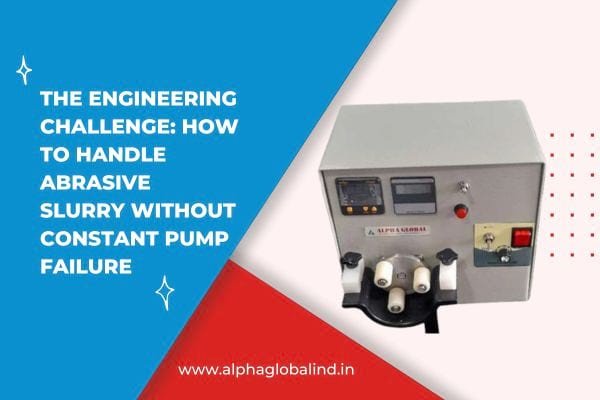
The Technology Requirement: Metering & Dosing Pumps / Peristaltic Pumps
- The Challenge: Chemical additives are highly concentrated and expensive. Under-dosing results in poor treatment quality that violates environmental limits, while over-dosing wastes thousands of rupees in raw chemical costs.
- The Solution: Specialized Positive Displacement Dosing Pumps or small-scale Peristaltic Pumps.
- Why it works: These pumps deliver an exact, adjustable volume of chemical per stroke, completely independent of the pressure inside the pipeline. Because peristaltic variants enclose the fluid entirely within a chemical-resistant thermoplastic hose, aggressive acids like hydrochloric acid or caustic soda never touch the pump’s mechanical components, preventing internal corrosion.
2. Stage 2: Aeration and Biological Treatment
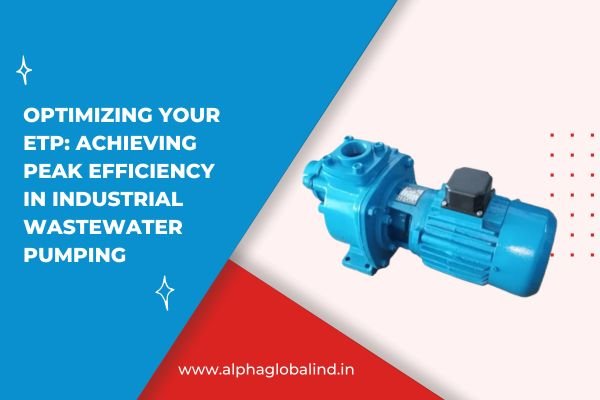
The Technology Requirement: Non-Clog Centrifugal Pumps / Self-Priming Pumps
- The Challenge: The wastewater at this stage contains loose debris, rags, plastic bits, and a high volume of trapped air bubbles. Standard centrifugal impellers will experience “air binding” (where an air pocket locks the impeller) or become wrapped in stringy debris.
- The Solution: Non-Clog Centrifugal Pumps equipped with semi-open or vortex impellers.
- Why it works: A vortex impeller creates a liquid swirl inside the casing that draws solids through the pump without them making direct contact with the impeller vanes. This design provides an ultra-wide clearance path, allowing the pump to move debris-laden water continuously without clogging or choking.
3. Stage 3: Sludge Dewatering and Clarifier Evacuation
The Technology Requirement: Progressive Cavity Pumps / AODD Pumps
- The Challenge: ETP sludge is thick, viscous, and highly abrasive due to the concentrated mineral solids and chemical flocs. It requires high suction lift capabilities and a pump that can handle dry-running if the feed tank empties unexpectedly.
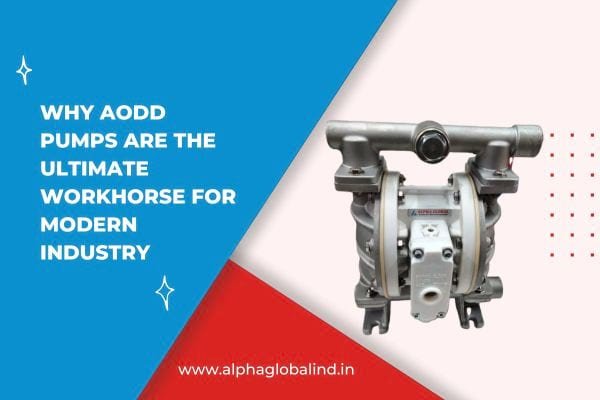
- The Solution: Heavy-duty Progressive Cavity (Screw) Pumps or Air-Operated Double Diaphragm (AODD) Pumps.
- Why it works: Progressive cavity pumps utilize a metallic rotor turning inside a rubber stator to smoothly push thick sludge forward in continuous cavities without destroying the delicate chemical flocs. Alternatively, AODD pumps are highly valued for their ability to run dry without damage and pass variable solid sizes without clogging, making them perfect for transferring variable sludge densities to plate-and-frame filter presses.
4. ETP Fluid Handling Blueprint
Use this quick operational guide to audit the equipment across your effluent treatment facility:
| ETP Treatment Phase | Fluid Characteristic | Primary Operational Risk | Ideal Pump Selection |
|---|---|---|---|
| Primary Equalization | Raw, untreated wastewater | Large solid clogs, stringy rags | Non-Clog Centrifugal / Trash Pump |
| Flocculation / pH Fix | Highly concentrated chemicals | Corrosion, chemical inaccuracy | Precision Metering or Peristaltic Pump |
| Aeration Recycle | Low-solid, air-entrained water | Air binding, continuous runtime | Self-Priming Vortex Centrifugal Pump |
| Sludge Evacuation | Thick, high-density slurry | Extreme abrasion, high pipe friction | Progressive Cavity or AODD Pump |
Conclusion: Engineering for Continuous Compliance
An ETP is only as reliable as its weakest pump. If a chemical dosing pump fails, your treatment chemistry collapses; if your sludge pump fails, your clarifiers overflow. By treating your ETP as a multi-stage process line and installing specialized, application-matched pumping assets, you ensure steady environmental compliance and drastically lower your plant’s weekly maintenance costs.
As a trusted industrial ETP pump manufacturer and exporter from Ahmedabad, Alpha Global custom-builds a complete suite of wastewater processing assets—ranging from corrosion-resistant PP chemical pumps to rugged sludge-handling progressive cavity units—tailored to meet strict industrial discharge standards.