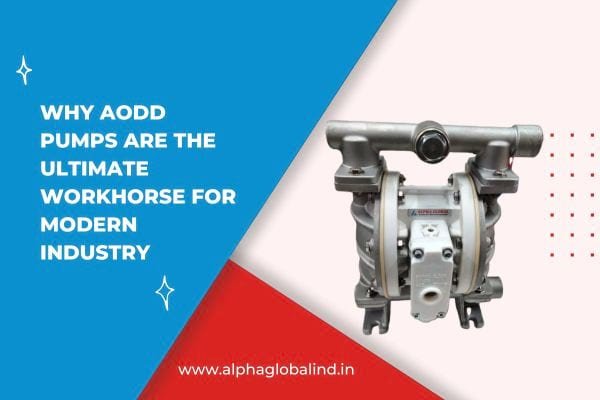
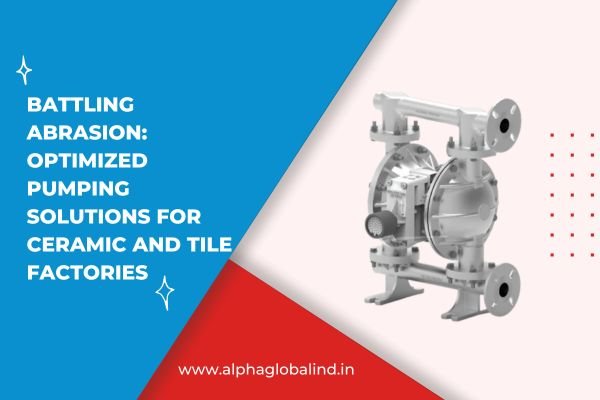
In Gujarat’s world-renowned ceramic and tile manufacturing hubs, fluids aren’t just liquids—they are dense carrier mediums packed with raw minerals. If you manage a tile production facility, you know that handling ceramic slip (liquid clay mixture) and surface glazes is a continuous battle against mechanical wear.
Ceramic slip contains high percentages of highly abrasive minerals like quartz, silica, feldspar, and kaolin. Glazes often contain metal oxides and glass frits that act like liquid sandpaper. When these fluids are forced through standard pumping infrastructure, they rapidly erode internal components, scratch mechanical seals, and cause frequent, expensive production shutdowns.
To keep a tile factory profitable, fluid systems must be designed specifically to withstand severe abrasion. Let’s look at the mechanical issues caused by ceramic fluids and the engineering strategies used to solve them.
1. The Dynamic Wear Points in Ceramic Processing
Sliding Abrasion
Kinetic Impact Erosion
This happens when high-velocity particles slam directly into a surface, such as the leading edge of a spinning centrifugal impeller. The impact micro-fractures the metal surface, causing small pieces to chip away until the impeller loses its geometry and balance.
2. Choosing the Right Pump Tech for Ceramic Applications
Stage A: Bulk Slip Transfer & Spray Dryer Feeding
- The Requirement: Moving heavy, high-volume raw clay slips from mixing blungers to storage tanks or spray dryers.
- The Solution: Heavy-duty, low-speed Progressive Cavity (Screw) Pumps or specialized Air-Operated Double Diaphragm (AODD) Pumps.
- Why it works: AODD pumps do not use mechanical seals or packing glands, completely eliminating the #1 failure point caused by abrasive grit. By utilizing ball valves made of hardened materials like Polyurethane or NBR, the pump handles heavy solid chunks without clogging or losing suction.
Stage B: Precision Glaze Application Lines
- The Requirement: Feeding glaze to the tile glazing lines or spray nozzles with a completely uniform, pulsation-free flow.
- The Solution: Industrial Peristaltic (Hose) Pumps.
- Why it works: In a peristaltic pump, the glaze is entirely contained within a thick, reinforced rubber hose. The fluid never touches a single gear, valve, or seal. The gentle squeezing action moves the glaze smoothly without causing the fluid shear that can alter the glaze’s uniform density, ensuring a flawless finish on the final tile surface.
3. Engineering Practices to Reduce Pump Degradation
If your maintenance teams are changing out pump parts every few weeks, implement these three operational adjustments to extend your equipment’s lifespan:
- Reduce Rotational Speed (RPM): Abrasive wear scales exponentially with velocity. Running a larger pump at a lower speed (RPM) will move the same volume of slip as a smaller pump running at high speed, but it will last up to three to four times longer before needing spare parts.
- Maintain Critical Flow Velocity: While high speeds cause wear, dropping below the “critical settling velocity” inside your piping lines will cause heavy clay particles to drop out of suspension. This settles at the bottom of your pipes, narrowing the flow path and increasing line pressure until the pump stalls.
- Upgrade to Elastomeric Linings: For fine glaze lines, using natural rubber or polyurethane internal linings outlasts hardened steel. The rubber cushion absorbs the impact energy of the tiny glass fragments and bounces them away without sustaining surface scratches.
4. Ceramic Fluid Properties Mapping
Use this reference table to audit the pumping configurations across your production facility:
| Processing Area | Fluid Type | Solid Density | Key Technical Hazard | Ideal Pump Selection |
|---|---|---|---|---|
| Blunger Discharge | Raw Clay Slip | High (>40%) | Large particle blockages, heavy weight | Progressive Cavity / Low-RPM Mud Pump |
| Storage Tank Transfer | Refined Slip | Moderate (30%) | Continuous sliding abrasion on casings | AODD Pump with Polyurethane Parts |
| Glazing Station | Liquid Glaze / Frits | High (>50%) | Micro-abrasion, requires pulsation-free flow | Industrial Peristaltic (Hose) Pump |
| Wastewater Pit | Tile Wash Water | Low (<5%) | Varied debris, variable sump levels | Self-Priming Centrifugal Trash Pump |
Conclusion: Engineering for Extended Production Cycles
In tile manufacturing, your profitability is directly linked to your uptime. Accepting frequent pump breakdowns as a normal cost of doing business is an expensive mistake. By lowering flow velocities, eliminating mechanical seals in gritty zones, and selecting materials designed for abrasive impacts, you can significantly reduce your maintenance expenses.
As an experienced industrial slurry and mud pump manufacturer from Ahmedabad, Alpha Global engineers rugged, high-durability pumping solutions using hardened high-chrome metallurgies and specialized seal configurations designed to survive the harshest environments in the ceramic sector.