India’s pharmaceutical manufacturing ecosystem—anchored by major formulation, API, and biotechnology hubs across Gujarat in Ahmedabad, Vadodara, and Ankleshwar—operates under some of the world’s strictest quality controls.
When transferring high-purity media such as Water for Injection (WFI), sterile ointments, oral suspensions, or biological cell cultures, conventional industrial pumps cannot be used. Standard cast surfaces, threaded connections, and internal crevices trap process residues, fostering bacterial colonies and risking entire production batches.
To satisfy international regulatory standards—including US FDA, EU GMP, and WHO guidelines—pharmaceutical pumping systems must meet strict sanitary engineering design rules.
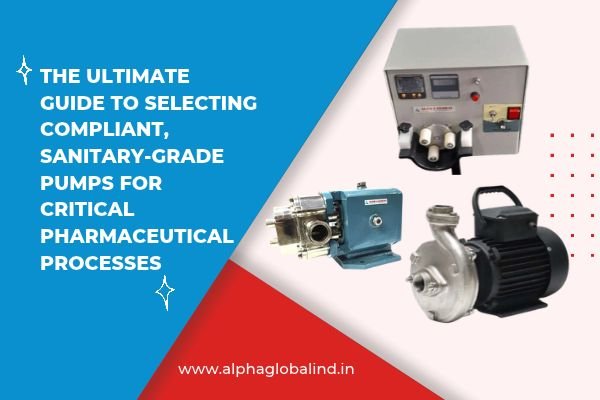
Here is a technical guide to selecting compliant, sanitary-grade pumps for critical pharmaceutical processes.
Core Sanitary Engineering Requirements for Pharma Pumps
1. Premium Metallurgy and Traceability
All fluid-contacting components must be machined from forged or investment-cast Stainless Steel 316L (SS-316L). The low-carbon variant (“L”) minimizes carbide precipitation during welding, preventing intergranular corrosion. Every batch of steel must be backed by certified material test reports to guarantee zero leaching of heavy metal ions into the process fluid.
2. Surface Roughness (Ra Value) Standards
- Standard Hygienic Grade: Internal surface roughness Ra less than or equal to 0.8 micrometers (approx. 150-180 grit finish).
- Sterile/Biopharm Grade: Electro-polished internal surface roughness Ra less than or equal to 0.4 micrometers (approx. 240-320 grit finish).
               [Microscopic Metal Surface Roughness Comparison]

       Standard Machined Steel                 Electro-Polished SS-316L
      =========================               =========================
      /\/\/\/\/\/\/\/\/\/\/\/\/               -------------------------
      (Deep Pits Trap Bacteria)               (Micro-Smooth / Zero Friction)
3. Complete Elimination of "Dead-Legs" and Crevices
4. CIP (Clean-in-Place) and SIP (Sterilize-in-Place) Compliance
Top Pump Technologies for Pharmaceutical Applications
Ideal for viscous creams, syrups, ointments, gels, and shear-sensitive shear-thickening liquids.
- Why They Excel: The non-contacting SS-316L lobes push fluid gently through smooth internal chambers without damaging delicate molecules or whipping air into creams.
- Key Feature: Designed with front-loading mechanical seals that allow rapid inspection during CIP validation protocols.
Used for high-velocity transfer of low-viscosity fluids like Water for Injection (WFI), purified water, and solvent washing lines.
- Why They Excel: Feature open impellers mounted directly to a sanitary shaft with zero internal threads in the fluid path. They provide continuous, non-pulsating flow through high-purity loop systems.
Essential for precise dosing, filling lines, and shear-sensitive biological products.
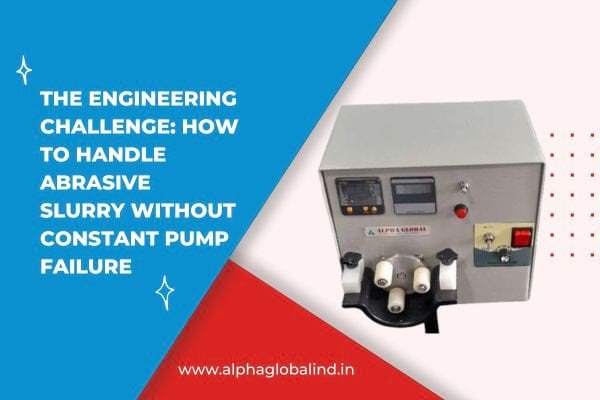
- Why They Excel: The fluid remains entirely enclosed within a USP Class VI compliant silicone or platinum-cured tube. The liquid never touches the mechanical pump body, eliminating any possibility of cross-contamination between batches.
Comparing Pharma Pump Technologies
| Selection Metric | Sanitary Lobe Pump | Sanitary Centrifugal Pump | Peristaltic Hose Pump |
| Primary Fluid Type | High viscosity syrups, gels, creams | Low viscosity water, solvents, WFI | Shear-sensitive liquids, precise dosing |
| Viscosity Limit | Up to 100,000 cPs | Up to 500 cPs | Up to 10,000 cPs |
| Pulsation Profile | Very Low / Smooth | Zero / Continuous Flow | Low / Roller Pulse |
| Fluid Contact Part | SS-316L Electro-polished | SS-316L Electro-polished | USP Class VI Tubing Only |
Conclusion: Engineering Purity into Your Process
Selecting a pharmaceutical pump requires balancing hydraulic performance with strict compliance regulations. By prioritizing high-grade SS-316L metallurgy, electro-polished surface finishes, and verified CIP/SIP cleanability, you can protect batch purity and pass regulatory quality audits with confidence.
If your pharmaceutical manufacturing or API facility requires sanitary SS-316L lobe pumps, WFI transfer centrifugals, or cGMP validation support documentation, Alpha Global’s engineering specialists in Ahmedabad are ready to design and deliver custom, high-purity solutions.