In civil engineering, foundation drilling, mining, and municipal dewatering projects across India, managing water ingress is a constant battle. However, a costly mistake many site managers make is treating all “dirty water” the same.
If you attempt to clear a bentonite drilling pit with a standard trash pump, or use a lightweight dewatering pump to move thick municipal sludge, the pump will choke, overheat, and fail within hours.
Understanding the threshold between semi-solids, trash, and heavy mud is critical to selecting an asset that keeps your site dry without constant downtime. Here is an engineering breakdown of how to choose the right technology for extreme environments.
1. The Trash Pump: Engineered for Debris and High Flow
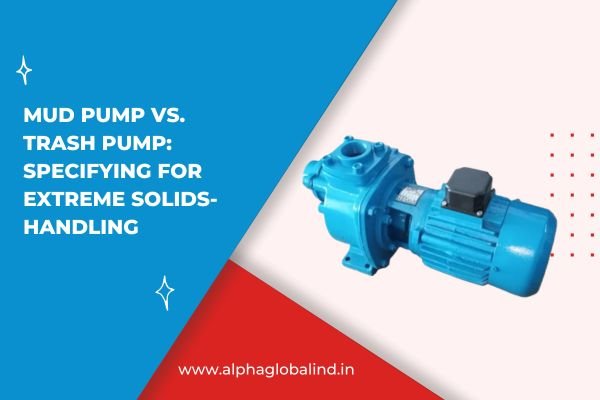
A trash pump is essentially a modified centrifugal pump designed to handle a high volume of water containing loose, solid debris. It features a deep, open-impeller design and a large pump casing.
- What it Handles: It can easily pass hard solids like twigs, pebbles, leaves, and mud clods (typically up to 1 to 2 inches in diameter).
- The Limit: The total concentration of solids must remain low—usually less than 10% by volume. The liquid medium must still behave like water.
- Ideal Use Case: Rapid dewatering of flooded construction trenches, utility pits, and stormwater manholes after heavy rainfall.
2. The Industrial Mud / Sludge Pump: Built for Viscous, Gritty Media
When the water content drops and you are left with a thick, viscous mixture of soil, silt, chemical byproducts, or drilling polymers, you cross over into mud and sludge pumping.
- What it Handles: Fluids with a high specific gravity and a solid concentration ranging from 20% to over 50% by volume. This includes abrasive material that behaves like a paste or semi-fluid matrix.
- The Engineering Difference: Unlike trash pumps, true industrial mud pumps feature heavy-duty, abrasion-resistant internal wear plates, specialized mechanical seals isolated from the fluid, and low-RPM operation to prevent internal erosion. They are built to push thick material through long discharge lines without losing prime.
- Ideal Use Case: Bentonite slurry recycling in piling works, marble/granite cutting waste management, tunnel boring support, and cleaning out deep industrial settling ponds.
3. The Fluid Classification Matrix: What Are You Pumping?
To choose the right machine from your industrial pump supplier, classify your target fluid using this structural breakdown:
| Fluid Class | Solid Concentration | Typical Contaminants | Recommended Pump Style |
| Dirty Water | < 2% | Sand traces, light silt | Standard Submersible Dewatering Pump |
| Trash Water | 2% to 10% | Pebbles, twigs, rags, debris | Self-Priming Centrifugal Trash Pump |
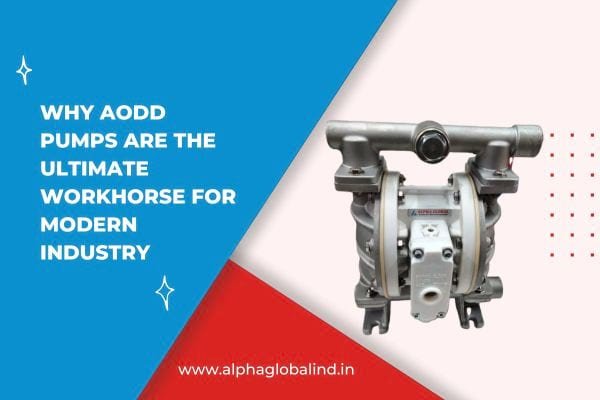
| Sludge / Slurry | 10% to 35% | Thick sewage, industrial runoff, lime paste | Progressive Cavity or AODD Pump |
| Heavy Mud / Silt | 35% to >50% | Bentonite slurry, drilling mud, mining tailings | Heavy-Duty Industrial Mud Pump |
4. Key Failure Points to Avoid in Mud Pumping Operations
If your site is currently chewing through pump spares, check for these three operational errors:
Velocity Drop (Pipe Settlement)
When pumping thick mud, the fluid must maintain a minimum “critical carrying velocity” inside the pipe. If the pump is running too slowly or the discharge pipe diameter is too wide, the heavy solids will drop out of suspension and settle at the bottom of the pipe, completely blocking the line.
Dry Running During Prime Setup
Mud pumps often work in deep pits where the fluid level fluctuates. If the pump loses fluid and runs dry, the friction generated by the heavy mud particles trapped inside the casing will instantly destroy the mechanical seals. Always look for pumps designed with an oil-bath seal chamber or indefinite dry-running capabilities.
Incorrect Metallurgy
Standard cast iron impellers dissolve rapidly when exposed to abrasive sand and silt. For long-term infrastructure projects, ensure your pump internals are manufactured using high-chrome alloys, hardened steel, or specialized polyurethane coatings.
Conclusion: Match the Machine to the Material
Investing in a heavy-duty mud pump when a lightweight trash pump would suffice wastes capital; conversely, forcing a trash pump to handle thick sludge guarantees mechanical failure. By calculating your site’s solid-to-liquid ratio before ordering, you ensure maximum uptime and lower operational stress.
As a dedicated industrial mud pump manufacturer and exporter from Ahmedabad, Alpha Global engineers rugged solids-handling configurations designed to tackle the harshest site conditions across India and global export markets.